


Amish Farms and Markets: How the Food Is Really Grown
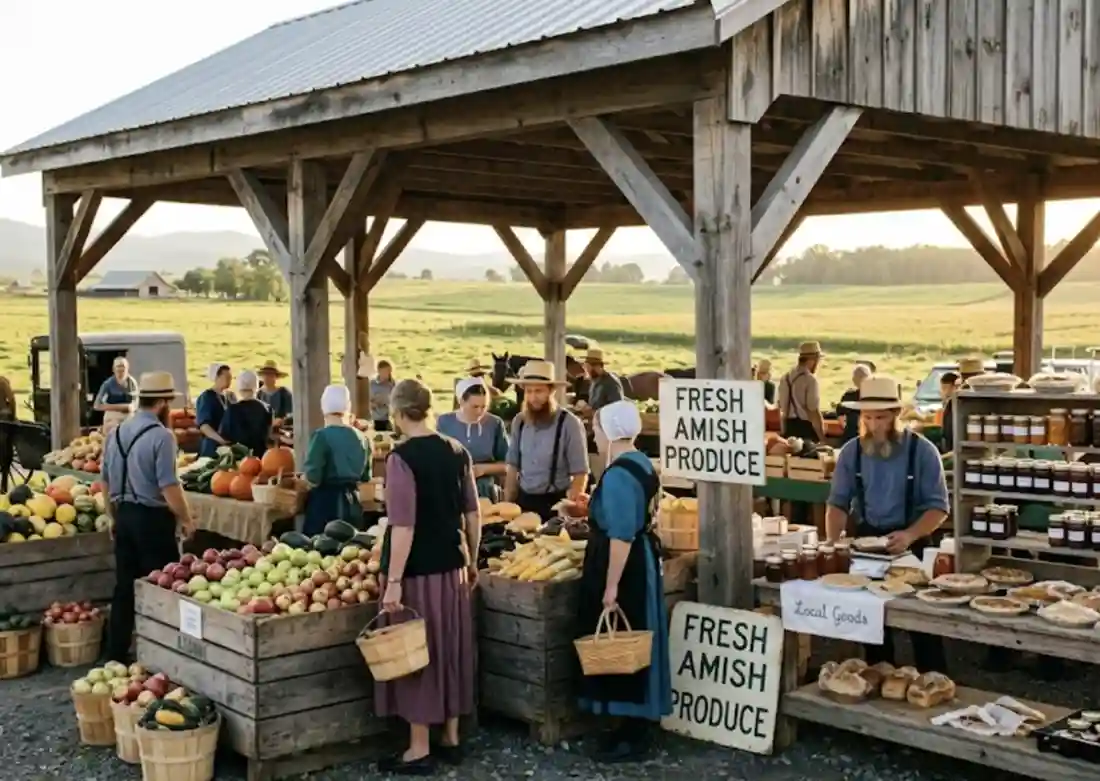
A lot of people seek out Amish farms and markets on the assumption that the food is more natural, more traditional, and cleaner than what's on a grocery shelf. Often it's wonderful, fresh, homemade, and local. But "Amish" is a way of life, not a growing standard, and the reality of how Amish food is raised is more nuanced than most shoppers expect. Here's what Amish farming actually looks like, what you'll find at an Amish market, and how to know what you're really buying.
What is an Amish farm?
Amish farms are typically small, family-run, and highly diversified, a little of everything rather than one giant monocrop. They lean on traditional methods: horse-drawn equipment, manual labor, and knowledge passed down across generations. In some respects that means lower inputs (less heavy machinery, less fossil fuel) and a real culture of craftsmanship around food: baked goods, dairy, preserves, and seasonal produce made the old way.
That traditional approach is exactly what draws people in. It feels closer to how food used to be grown, and a lot of the time, it tastes like it.
What you'll find at an Amish market
Amish markets take a few forms: roadside produce stands, bulk and dry-goods stores, and produce auctions where growers sell in volume. You'll commonly find:
- Seasonal fruits and vegetables
- Fresh eggs and dairy
- Baked goods, jams, and canned preserves
- Cheeses and, in some areas, meats
- Bulk pantry staples
People love them for the value, the freshness, and the homemade quality you just don't get from a chain.
Are Amish farms organic? Not necessarily.
This is the big misconception, and it's worth being clear about. "Amish" does not mean "organic" or "no-spray." Many Amish farms use conventional inputs, synthetic pesticides, herbicides, commercial fertilizer, and even GMO seed, because the priority is often productivity and supporting a large family, not earning a certification.
Some Amish farms genuinely are organic or no-spray. Many aren't. You simply can't tell from the word "Amish" alone. The same goes for animal products: how the animals are raised varies widely from farm to farm, so "pasture-raised" isn't a safe assumption either.
None of this is a knock on Amish farmers, it's just an important reality check. If traditional, homemade, and local is what you're after, Amish markets deliver. But if your priority is specifically no synthetic pesticides, truly pasture-raised meat, or no seed oils, the label won't answer that for you. You have to ask.
How to actually know what you're buying
The good news: real local farmers are usually happy to talk about how they grow and raise things. Don't be shy about asking:
- Is this produce sprayed? With what?
- How are the animals raised, pasture or barn?
- Is the dairy from grass-fed cows?
The answers tell you far more than any label or assumption.
Local food with the standards spelled out
If you love the idea behind Amish markets, fresh, local, traditional food you can feel good about, but you want the standards actually guaranteed instead of having to investigate each stand, that's exactly the gap Locavana fills.
We only work with farms that meet clear, stated standards: no synthetic pesticides on produce, genuinely pasture-raised animals, no seed oils, nothing artificial. You get the traditional, local, trustworthy quality people are chasing when they go looking for Amish markets, with the sourcing vetted for you and delivered straight to your door.
Browse what local farms have available this week and see what "real food, no guesswork" tastes like.